
Medical equipment cleaning and cleaning of patient care equipment keeps healthcare facilities safe but it requires more than daily cleaning—it demands systematic care of the medical equipment that touches every patient.
This guide explains the regulatory requirements, professional cleaning protocols, and best practices that healthcare facilities need to protect patient safety while managing their equipment investment effectively.
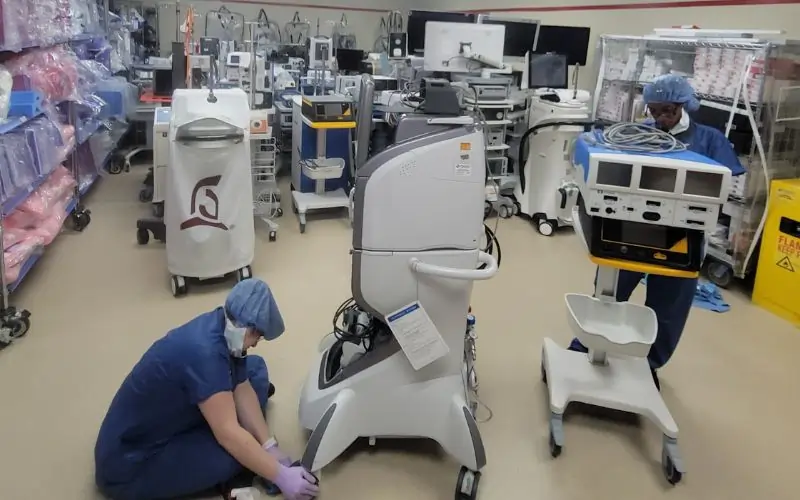
Patient care equipment cleaning is a specialized service focused on the non-critical medical devices used daily in healthcare settings. Unlike surgical instruments that require sterilization, patient care equipment includes wheelchairs, stretchers, IV poles, and other reusable devices that contact intact skin but not sterile tissue. These items need proper cleaning and disinfection to prevent disease transmission while extending equipment life and maintaining compliance with infection control standards.
Understanding Patient Care Equipment Categories
What Qualifies as Patient Care Equipment
Medical devices fall into categories based on infection risk. The Spaulding Classification System, recognized by the Centers for Disease Control and Prevention (CDC), divides medical equipment into three groups: critical, semi-critical, and non-critical items.
- Critical items enter normally sterile tissue or the vascular system and require sterilization. Surgical instruments fall into this category and are not covered in this article.
- Semi-critical items contact mucous membranes or non-intact skin and need high level disinfection. Respiratory therapy equipment and certain dental instruments belong here.
- Non-critical items touch only intact skin and require cleaning followed by low-level disinfection. These items are often used across more than one patient, so proper cleaning and disinfection are essential to prevent cross-contamination. This article focuses exclusively on these non-critical patient care devices that healthcare facilities use daily across multiple patients.
The external surfaces of patient care equipment collect organic material, bodily fluids, and environmental contaminants that require appropriate cleaning and disinfection.
Common Patient Care Equipment Types
Healthcare facilities maintain extensive inventories of reusable medical devices that serve patients throughout their stay. Some equipment may be contaminated with other potentially infectious materials, such as various bodily fluids, which require special attention during cleaning and disinfection. Understanding which equipment requires systematic cleaning helps facilities develop effective infection prevention programs.
Health care providers rely on clean equipment to ensure safe patient care.
Mobile Transport Equipment:
- Stretchers and gurneys transport patients between departments and carry the weight of infection control responsibility.
- Wheelchairs and mobility chairs serve multiple patients daily, accumulating contamination on armrests, footrests, and wheel surfaces.
- Patient lifts and transfer devices contact both patients and caregivers, creating potential vectors for disease transmission.
Room Equipment:
- IV poles and stands support critical treatment delivery while collecting dust, debris, and organic material on their poles and bases.
- Overbed tables function as eating surfaces and personal item storage, requiring meticulous cleaning.
- Med carts and medication delivery systems travel room to room, touching both internal and external surfaces that need regular disinfection.
Support Equipment:
- Scales support patient assessment across care settings.
- Walkers and mobility aids help patients move safely while collecting floor debris and hand contamination.
- Shower chairs and commodes serve hygiene needs while presenting unique cleaning challenges.
Facility Equipment:
- Linen carts transport clean and soiled materials throughout healthcare facilities.
- Housekeeping carts carry cleaning supplies and waste.
- Trash receptacles contain potentially infectious materials that require proper handling and regular cleaning of both internal and external surfaces.
Each equipment type demands specific attention to organic and inorganic material that accumulates during normal use. Healthcare providers depend on clean medical equipment to deliver safe patient care across all departments.
Why Patient Care Equipment Cleaning Matters
Healthcare facilities invest in patient care equipment cleaning programs because the benefits extend far beyond regulatory compliance. Systematic cleaning protects patients, preserves equipment, and demonstrates commitment to care quality.
Effective cleaning practices are essential not only for individual patient safety but also for supporting the overall efficiency and safety of the healthcare system.
Infection Prevention, Supporting Compliance, Safety, and Patient Satisfaction
Patient care equipment serves as a vector for infectious diseases when organic material and pathogens transfer between patients. Failure to properly disinfect devices used in healthcare has led to numerous outbreaks of infection.
Infection control professionals and health care professionals play a critical role in designing, implementing, and adhering to cleaning and disinfection protocols to prevent healthcare-associated infections.
Proper cleaning and disinfection breaks the chain of disease transmission.
Equipment Longevity and Compliance
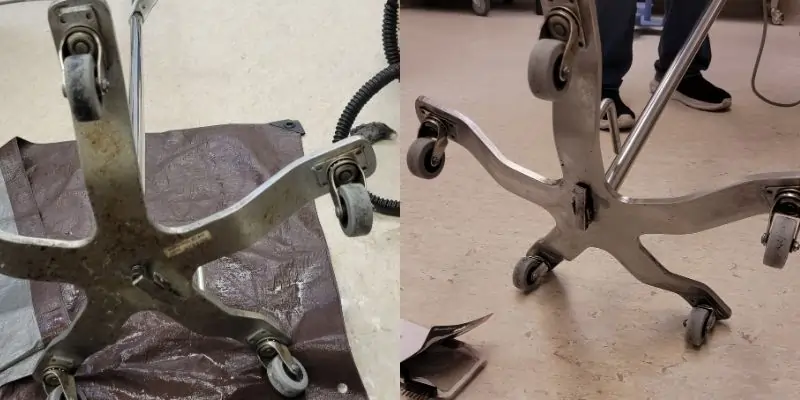
Medical equipment represents significant capital investment. Professional cleaning extends asset life through restorative services that address damage before it becomes irreparable. Removing adhesive residue preserves surface integrity. Treating rust prevents spread. Regular cleaning combined with minor restoration dramatically extends equipment service life—facilities report equipment lasting 30-50% longer with systematic programs.
Healthcare facilities face regular inspections from state health departments, Joint Commission surveyors, and other regulatory bodies. Equipment condition reflects overall facility management quality. Surveyors examine patient care equipment for visible cleanliness, proper maintenance, and documentation of cleaning activities.
Professional Cleaning Protocols and Standards
Effective patient care equipment cleaning follows systematic protocols based on CDC guidelines for non-critical medical devices. Understanding proper procedures ensures infection control while protecting equipment integrity.
Cleaning vs. Disinfection
- Cleaning removes visible dirt, organic material, and debris from surfaces using manual cleaning with detergent and water. This essential first step eliminates soil that harbors pathogens and interferes with disinfection. Healthcare facilities cannot skip cleaning and go straight to disinfection—the process must occur in sequence.
- Disinfection kills or inactivates pathogens on cleaned surfaces using chemical disinfectants. For non-critical patient care equipment, low-level disinfection suffices when applied correctly. EPA registered hospital disinfectant products must contact surfaces for manufacturer-specified times—often 3-10 minutes depending on the product. Disinfection is the process of removing disease-producing organisms to render an item safe for handling, but it may not kill all microbial life forms, such as bacterial spores. Additionally, disinfectants must be compatible with the materials of the medical devices to avoid damage during the disinfection process.
Deep Cleaning Process
- Pre-Cleaning Assessment: Initial evaluation identifies equipment condition and problem areas. Photographic documentation shows equipment state before cleaning, creating accountability and demonstrating effectiveness.
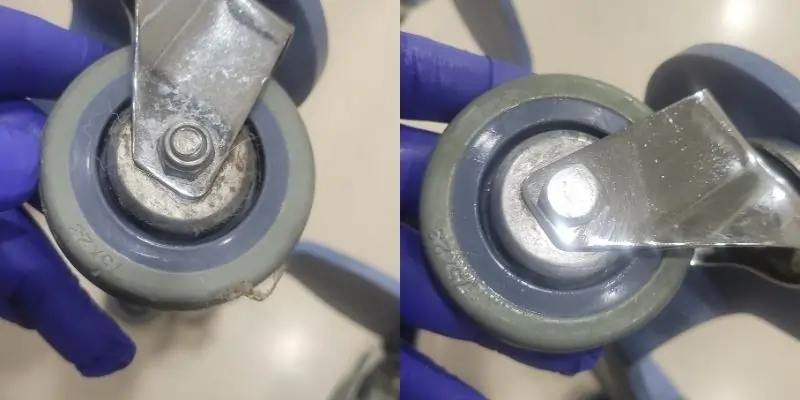
- Cleaning Procedure: Manual cleaning removes visible soil, dust, and organic material using appropriate detergent solutions. Mechanical action dislodges debris from wheels, casters, and moving parts. All surfaces receive attention, including hidden areas where contamination accumulates.
- Chemical disinfection follows cleaning. EPA registered hospital disinfectant products applied according to label directions ensure effective surface disinfection. All surfaces must remain wet with disinfectant for the full contact time.
- Post-Cleaning Verification: Visual inspection using standardized checklists verifies all surfaces received attention. Equipment must be completely dry, functional, and safe before returning to patient care.
Restoration Services That Extends Equipment Life
- Professional restoration addresses adhesive residue from medical tape and labels, treating rust and corrosion to prevent spread.
- Wheel and caster intensive cleaning or replacement restores equipment mobility.
- Equipment markings and identification labels receive preservation during cleaning.
Cleaning Frequency Standards by Equipment Type
Different patient care equipment requires different cleaning frequencies based on use patterns:
- Daily: High-use stretchers and wheelchairs in emergency departments
- Weekly: Med carts, IV poles in patient rooms, bedside equipment
- Monthly: Low-use mobility aids, specialty wheelchairs in storage, backup equipment
- Quarterly: Comprehensive deep cleaning rotation through entire equipment inventories
- Annual: Complete restoration and preventive maintenance including wheel replacement, mechanism lubrication, and deep rust treatment
Healthcare facilities should adjust frequencies based on actual use patterns, ensuring systematic tracking so no equipment gets forgotten.
Regulatory Framework for Patient Care Equipment Cleaning
Healthcare facilities operate under multiple layers of regulation governing how they clean and maintain medical equipment. Understanding these requirements helps facilities develop compliant cleaning programs while protecting patient safety.
Federal Guidelines for Equipment Cleaning
CDC Guidelines for Environmental Infection Control in Healthcare Facilities
- For non-critical patient care equipment, the CDC recommends cleaning followed by disinfection using EPA-registered hospital disinfectants.
- The CDC’s environmental infection control guidelines specify that noncritical environmental surfaces and equipment require low-level disinfection after cleaning.
Environmental Protection Agency Registered Disinfectants
The Environmental Protection Agency (EPA) maintains lists of registered antimicrobial products approved for healthcare settings.
List N disinfectants meet EPA standards for surface disinfection in healthcare facilities. These chemical disinfectants must contact surfaces for specified times to achieve proper disinfection. Product labels provide contact time requirements that cleaning staff must follow to ensure effective decontamination.
Accreditation Standards for Equipment Maintenance
Joint Commission Environment of Care Standards
The Joint Commission establishes accreditation standards that include requirements for managing medical equipment. Environment of Care (EC) standards address equipment maintenance, cleaning, and condition monitoring that affect patient safety.
Joint Commission surveyors examine healthcare facilities for evidence of systematic equipment cleaning programs. Facilities must demonstrate regular cleaning schedules, completion documentation, and quality verification processes. Surveyors look for clean medical equipment throughout the facility and may trace equipment cleaning protocols during surveys.
Documentation and Accountability
Healthcare facilities must prove equipment cleaning programs work through systematic documentation that transforms cleaning tasks into verified compliance activities. Monitoring cleaning effectiveness can involve methods like ATP testing and fluorescent markers to ensure thorough removal of contaminants. Automated endoscope reprocessors (AER) offer several advantages over manual reprocessing, including standardization of reprocessing steps and reduced personnel exposure to high-level disinfectants.
Essential Documentation Components
- Cleaning Records: Equipment cleaning schedules establishing frequencies for each equipment type
- Product Compliance: Current EPA registration numbers for all disinfectants
- Quality Verification: Equipment maintenance records tracking condition over time AND Photographic documentation of before/after cleaning, especially for restoration work.
Joint Commission Survey Expectations
Surveyors verify:
- Evidence of corrective action when equipment cleaning issues surface
- Written systematic cleaning schedules demonstrating proactive infection control
- Documentation matching observed equipment condition
- EPA registered hospital disinfectant products appropriate for patient care equipment
- Staff competency in explaining cleaning procedures, contact times, and product selection
Conclusion
Patient care equipment cleaning represents essential investment in patient safety, infection prevention, and operational excellence for healthcare facilities. While these medical devices don’t require the sterilization procedures needed for surgical instruments, they demand systematic cleaning and disinfection protecting patients from disease transmission through environmental surfaces and reusable devices.
The choice between internal cleaning programs and professional services depends on facility resources, expertise, and volume. Regardless of approach, healthcare facilities must establish systematic protocols, maintain comprehensive documentation, and verify completion through quality assurance. These elements create reliable programs that protect patients, satisfy surveyors, and demonstrate operational excellence.
Regulatory requirements from the CDC, EPA, Joint Commission, and CMS establish clear expectations for cleaning medical equipment. Healthcare facilities must implement documented programs using EPA registered hospital disinfectant products, appropriate cleaning frequencies, and quality verification processes. These programs demonstrate commitment to protecting patient safety while maintaining compliance with infection control standards.
Professional equipment cleaning combines proper cleaning and disinfection with restorative services extending equipment life. Addressing adhesive residue, rust, and wear prevents premature replacement while ensuring medical equipment maintains functionality and appearance. Healthcare facilities benefit financially from systematic cleaning programs that preserve capital equipment investments.
Craddock’s Cleaning Services: Your Partner in Healthcare Cleanliness
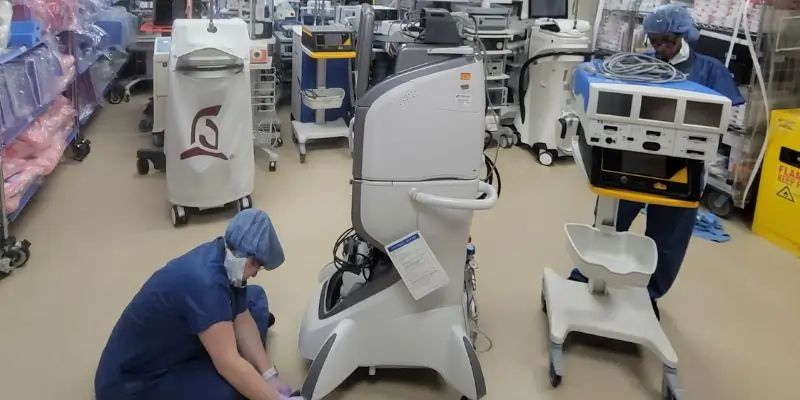
At Craddock’s Cleaning Services, we understand that specialized cleaning in healthcare is not a “nice to have”—it’s a critical operational investment. Our deep cleaning, disinfection, and restorative services help facilities maintain safer environments, reduce risk, and streamline operations so care teams can focus on what matters most: patient well-being.
What We Do
We provide professional hospital and medical facility cleaning services and serve healthcare facilities across Dallas-Fort Worth Metroplex, including medical offices, hospitals, and specialty clinics that need reliable cleaning without constant oversight.
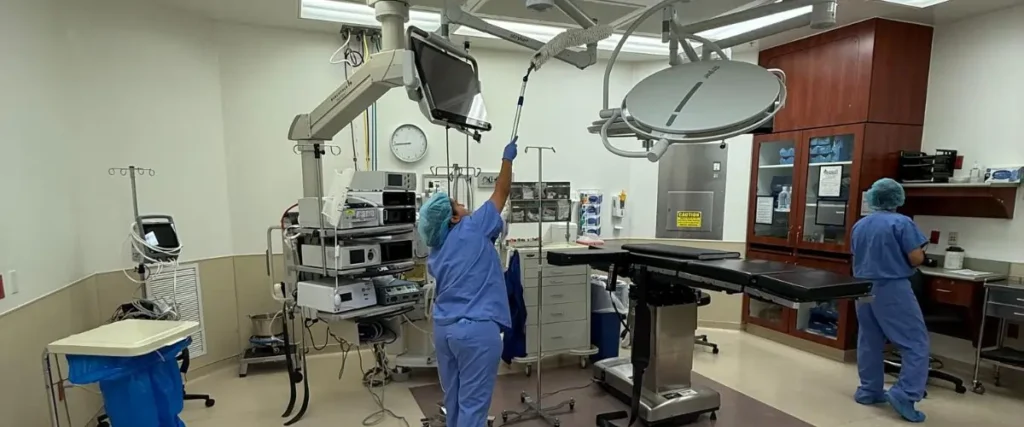
- Our Equipment Deep Cleaning Service utilizes vapor steam and other innovative technologies to provide a deep clean and restoration of the rolling stock and patient care equipment at your facility.
- Our crews work in the hospital, moving through different floors and departments to provide the most efficient service.
Medical Equipment We Deep Clean
- IV Poles • Stretchers • Wheelchairs
- Linen Carts • Patient Lifts • Housekeeping Carts
- Overbed Tables • Trash Cans • Instrument Tables
- Stools & Chairs • Blood Pressure Monitors • Needle Carts
- Scales • Walkers • Commodes
- Med Carts • Shower Chairs • AND MORE…
Get A Dedicated Medical Equipment Cleaning Crew
Ready to experience the difference that Craddock’s Cleaning Services can make for your hospital and medical facility? Contact us today to discuss your medical cleaning needs and receive a personalized quote.
Your contact information
We look forward to receiving your request for a quote. Please consider filling the information below and we will be in contact with you immediately.

Sources and Additional Resources:
Federal Health Agencies
Environmental Protection Agency (EPA)
- Selected EPA-Registered Disinfectants – List of approved antimicrobial products for healthcare settings
- List N: Disinfectants for Healthcare Facilities – Registered products effective against healthcare-associated pathogens
Occupational Safety and Health Administration (OSHA)
- Bloodborne Pathogens Standard – 29 CFR 1910.1030 – Requirements for protecting healthcare workers from exposure during cleaning activities
Centers for Medicare & Medicaid Services (CMS)
Conditions of Participation
- CMS Conditions of Participation for Hospitals – Federal requirements including equipment maintenance standards
Accreditation Organizations
The Joint Commission
- Environment of Care Standards – Medical equipment management and infection control requirements
- Infection Prevention and Control Standards – Guidelines for preventing healthcare associated infection
Industry Standards and Professional Organizations
Association for the Healthcare Environment (AHE) – Best practice guidelines for environmental services in healthcare facilities and cleaning frequency recommendations for patient care equipment
FAQ – About Medical Equipment Cleaning
Worth Reading
Explore the Depths: Delve into Our Latest Blog Posts for Expert Insights!
Jeremy Craddock
No comments
Hospital Cleaning: The Complete Guide to Healthcare Facility Standards in Dallas-Fort Worth
Read more
Jeremy Craddock
No comments